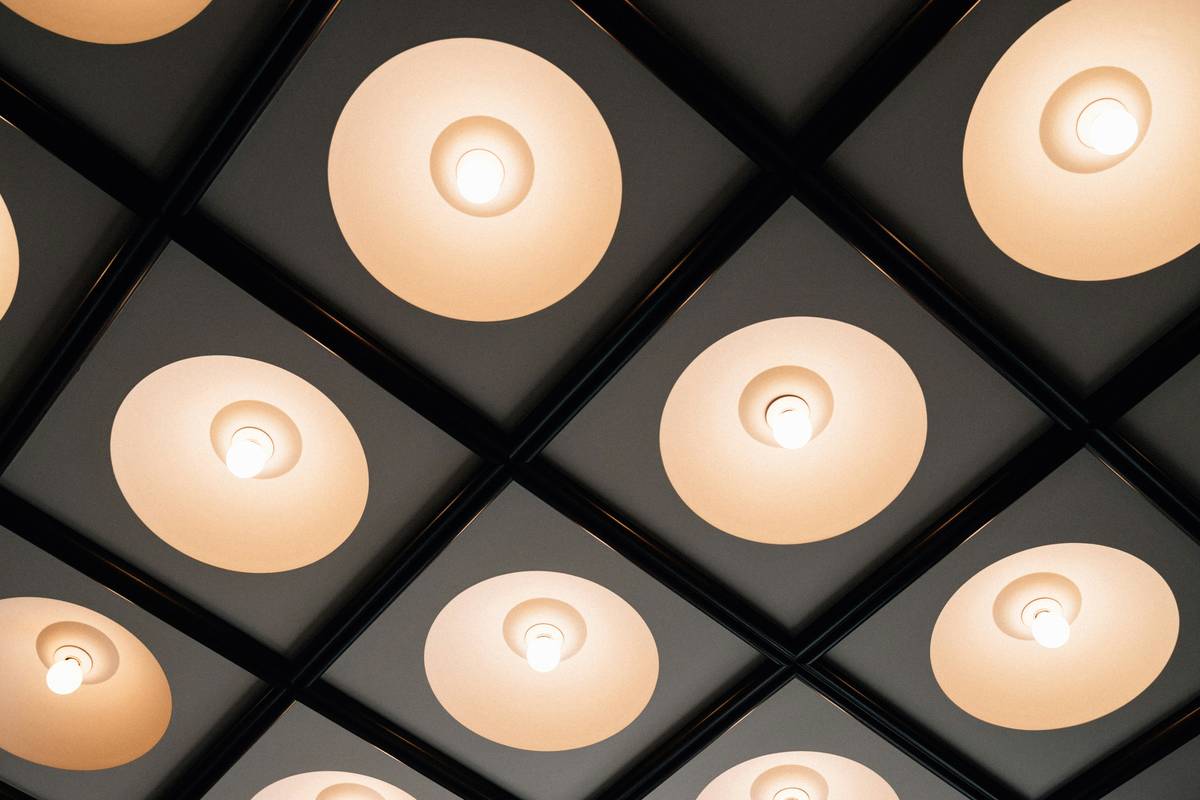
Most track lighting still looks like it belongs in a ’90s warehouse—not your curated living room. You’ve seen the Pinterest fails: harsh beams, clunky hardware, and that awful “hospital hallway” vibe. But what if track lighting could disappear into your ceiling while spotlighting your art like a gallery? It can. These modern track lighting ideas blend form, function, and flexibility without sacrificing style.
Why Traditional Track Lighting Keeps Failing Modern Interiors
Track systems were built for utility, not aesthetics. Early models used bulky rails, fixed heads, and glaring halogen bulbs—fine for a garage, not your matte-black kitchen island. And many homeowners still install them like afterthoughts, slapping on mismatched fixtures or over-lighting empty walls. The result? Visual noise instead of layered illumination.
Modern interiors demand subtlety. Clean lines. Intentionality. If your track lighting screams “look at me,” you’ve already lost the design battle. Worse—many electricians default to outdated layouts because they’re faster to install. Speed shouldn’t override strategy.
How to Execute Modern Track Lighting Ideas Without Regretting It
Forget cookie-cutter installations. Real sophistication comes from planning light like architecture—not decoration. Here’s how:
Map Your Zones First—Not Your Fixtures
Define activity areas before touching a single wire. Dining table? Accent wall? Reading nook? Each zone needs its own beam angle and intensity. Don’t light the whole room uniformly—that’s how you end up with flat, soulless spaces.
Choose Monorail Over Classic Track (When Possible)
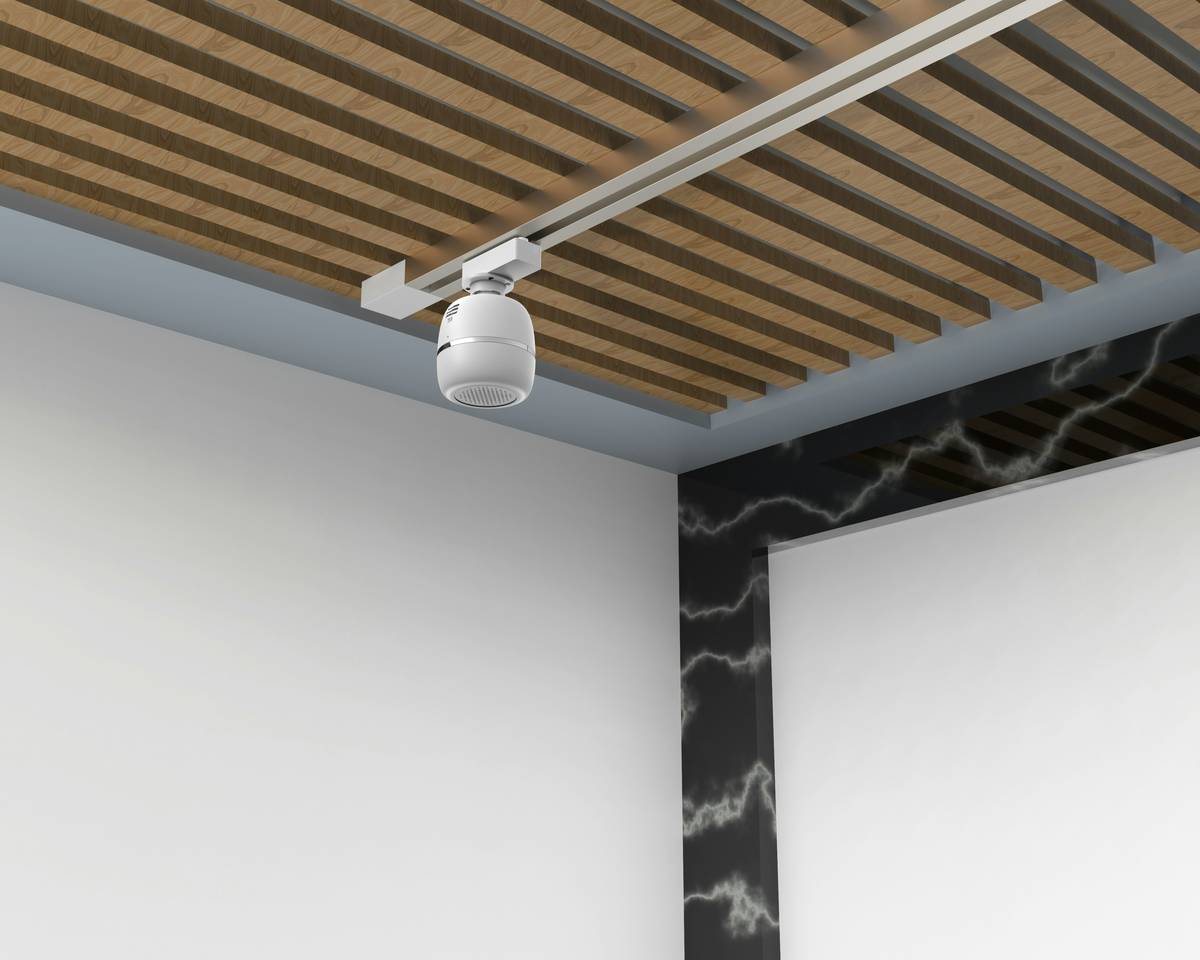
Monorail systems use slender, low-profile cables or thin metal tracks—often paintable or available in matte black, brushed nickel, or white. They hug ceilings tighter, look more integrated, and allow 360° head rotation. Bonus: many support LED modules under 4 watts with 90+ CRI for museum-grade color accuracy.
Mix Beam Types—Don’t Stick to One
Use narrow spots (15°–25°) for art, medium floods (36°–45°) for countertops, and wide washes (60°+) for ambient bounce. Layering these creates depth. Most off-the-shelf kits force you into one beam type. That’s lazy design.
| System Type | Avg. Cost per Foot | DIY Friendly? | Best For |
|---|---|---|---|
| Classic H-Track | $15–$25 | Yes | Budget retrofits, garages, workshops |
| Monorail (Low Voltage) | $30–$60 | No — requires transformer | Modern living rooms, kitchens, galleries |
| Flexible Track (Bendable Rail) | $40–$70 | Moderate | Curved ceilings, organic layouts, statement arcs |
| Surface-Mount Linear Track | $20–$35 | Yes | Rental upgrades, exposed ceilings, industrial lofts |
The Industry Secret No One Talks About: Light Layering Isn’t Optional
Here’s what top interior lighting designers won’t tell you publicly: track lighting alone almost never suffices. The magic happens when you combine it with indirect cove lighting, floor lamps, or even smart ambient strips. Why? Because human vision craves contrast—not just brightness.
I worked with a client last year who insisted on “track-only” for their open-concept loft. We ran three parallel monorail lines—but added hidden LED tape inside floating shelves and behind the sofa bulkhead. At night, the track lit the dining table and canvas wall; the indirect sources softened shadows on faces. Guests thought it was all one system. It wasn’t. And that’s the point. Modern track lighting ideas only shine when they’re part of a larger narrative—not the sole protagonist.
Frequently Asked Questions
Can modern track lighting be dimmed?
Yes—if paired with compatible dimmable LED drivers and a proper dimmer switch (ELV or TRIAC, depending on system). Always check specs before buying.
How many lights do I need for a 12×12 room?
Aim for 3–5 adjustable heads total, spaced 24–36 inches apart. Prioritize task zones over even coverage.
Is track lighting outdated?
Only if you use outdated fixtures. Sleek, low-profile monorail systems are actually trending in high-end modern interiors right now.