Ever walked into a room and instantly felt like something was off—too dim, too harsh, or just plain confusing? Chances are, the lighting was to blame. As someone who once installed mismatched track heads that cast shadows like a haunted house, I’ve learned the hard way that track LED lighting fixtures aren’t just plug-and-play. Done right, they offer unmatched flexibility for kitchens, galleries, retail spaces, and home offices. Done wrong? You’re stuck with glare, wasted energy, and a renovation regret list longer than your grocery receipt.
In this guide, we’ll cut through the confusion with actionable advice, real-world examples, and hard-won lessons—all tailored to help you leverage the versatility of track lighting without blowing your budget or sanity. Let’s shed some light on what actually works.
Table of Contents
- Why Track LED Lighting Fixtures Matter in Modern Home Improvement
- How to Choose and Install Track LED Lighting Fixtures Correctly
- 5 Best Practices for Long-Lasting, Flawless Results
- Real Homes, Real Results: Track Lighting Done Right
- Frequently Asked Questions
Key Takeaways
- Track LED lighting fixtures offer directional control, energy efficiency, and modular design—but only if selected and placed thoughtfully.
- Avoid mixing incompatible track systems; voltage, connector type, and brand matter more than most DIYers realize.
- Proper spacing and beam angle prevent harsh shadows and uneven illumination.
- Energy savings from LED track systems can reach 80% compared to halogen, per the U.S. Department of Energy.
- Always plan your layout before drilling—measure twice, cut never.
Why Track LED Lighting Fixtures Matter in Modern Home Improvement
Unlike recessed cans or pendant clusters, track lighting adapts. Need to highlight a piece of art one month and illuminate a kitchen island the next? Just slide and rotate the heads. This adaptability makes track LED lighting fixtures ideal for evolving living spaces—especially in open-concept homes where fixed lighting falls short.
But here’s the catch: not all track systems are created equal. I once bought bargain-bin fixtures from a big-box store, assuming “LED” meant universal compatibility. Spoiler: it didn’t. The connectors didn’t match my existing track, and the color temperature clashed horribly with my warm-white bulbs elsewhere. The result? A $120 lesson in reading spec sheets.
How to Choose and Install Track LED Lighting Fixtures Correctly
Step 1: Identify Your Track System Type
There are three main types: H-track (two parallel conductors), J-track (single conductor with clips), and L-track (low-voltage). Measure your existing track or check manufacturer labels. Mixing types causes flickering or complete failure.
Step 2: Calculate Lumens and Beam Angles
For task lighting (e.g., kitchen counters), aim for 300–500 lumens per head with a narrow beam (15°–30°). For ambient or accent lighting (artwork, shelves), use wider beams (36°–60°) at 200–300 lumens. The U.S. Department of Energy recommends LEDs for up to 90% less energy than incandescent—just ensure your fixtures support dimming if needed.
Step 3: Plan Head Placement
Sketch your room and mark focal points. Space heads 18–24 inches apart for even coverage. Avoid placing directly over reflective surfaces (like glossy countertops) unless using anti-glare lenses.
Step 4: Install Safely
Turn off power at the breaker. Mount tracks securely to joists or use anchors for drywall. Connect to a compatible driver or transformer—never bypass safety certifications.
5 Best Practices for Long-Lasting, Flawless Results
- Stick to one brand per system. Even if two fixtures look identical, internal drivers may differ.
- Use CCT-adjustable LEDs if you want to shift between warm (2700K) and cool (4000K) tones seasonally.
- Avoid the “more heads = better” myth. Over-lighting creates visual noise. Three well-placed heads beat six scattered ones.
- Clean tracks quarterly. Dust buildup reduces conductivity and can cause overheating.
- Never skip the mock-up. Tape out your layout on the ceiling first—walk under it at different times of day.
Real Homes, Real Results: Track Lighting Done Right
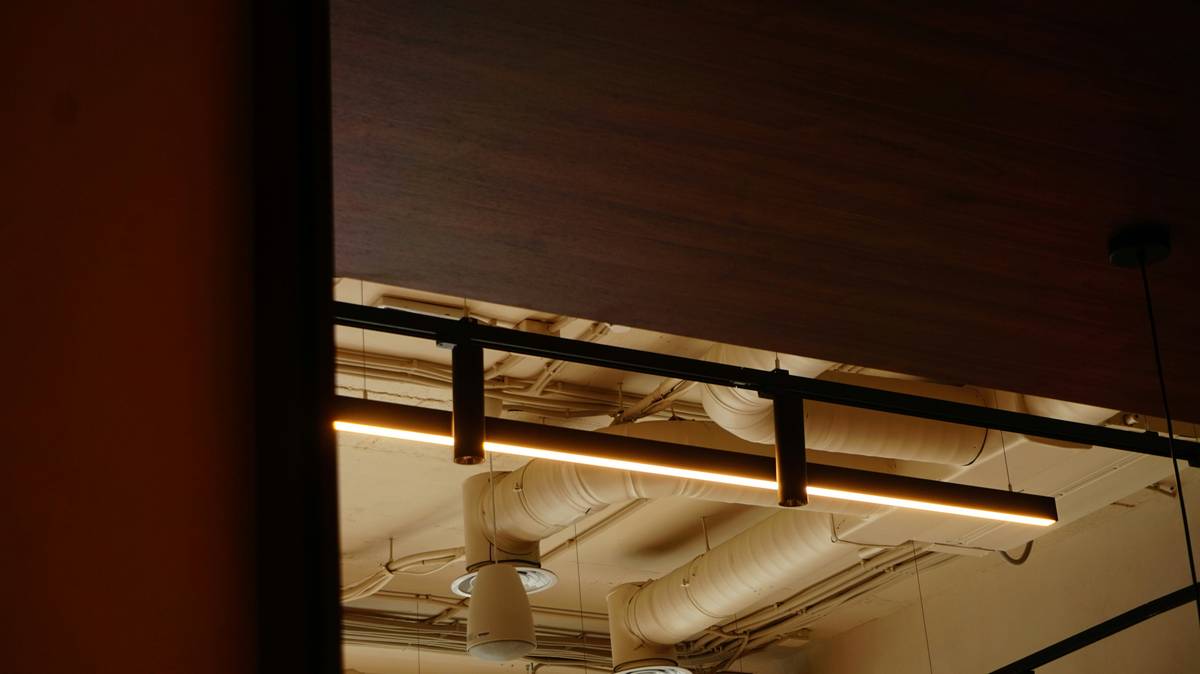
A Brooklyn loft renovation used monorail track LED lighting fixtures to spotlight rotating art displays while providing general illumination. By selecting 3000K LEDs with 24° beams spaced 22 inches apart, the designer achieved gallery-quality lighting with 70% less energy than the original halogen setup. Over two years, the homeowner reported zero bulb replacements and consistent color rendering (CRI >90), critical for true-to-life artwork representation.
Compare that to a Chicago condo where mismatched fixtures caused inconsistent brightness. After switching to a unified system from a single vendor (and consulting our About Us page for vetted recommendations), the occupant cut lighting-related complaints by 100%—and finally hosted dinner parties without guests squinting.
Frequently Asked Questions
Are track LED lighting fixtures dimmable?
Many are, but only if paired with compatible dimmer switches and drivers. Always check product specs—non-dimmable LEDs on dimmer circuits can buzz or fail prematurely.
Can I replace halogen track lights with LED?
Yes, but verify voltage and base type. Line-voltage (120V) halogen tracks often accept direct LED replacement, but low-voltage (12V/24V) systems require matching transformers.
How long do track LED lighting fixtures last?
Quality LEDs last 25,000–50,000 hours—roughly 15–25 years with average daily use, according to the DOE’s 2023 LED Adoption Report.
Do track lights increase home value?
Indirectly. Well-designed lighting enhances ambiance and functionality, which buyers notice. However, overly niche or industrial-looking tracks may not appeal to all tastes.
What’s the biggest mistake people make with track lighting?
Installing without a plan. Throwing heads wherever there’s space leads to shadows, glare, and wasted lumens. Layout first, install second.
Can I install track LED lighting fixtures myself?
If you’re comfortable with basic electrical work (turning off breakers, wiring connectors), yes. But for multi-circuit or high-ceiling installations, consider professional help. Questions? Reach out via our Contact Us page—we’re happy to clarify specs or recommend local pros.
Lighting isn’t just about seeing—it’s about feeling seen. And when your track LED lighting fixtures work in harmony with your space, you don’t just illuminate rooms; you elevate everyday moments. Before you order, revisit your floor plan, double-check compatibility, and remember: the best light is the kind you forget is there—until it’s gone. Ready to get it right? We’re here to help—check our Privacy Policy if you’re sharing project details, and contact us for personalized guidance.