If you’ve ever stood under a dim, lifeless ceiling wondering why your kitchen feels like a cave—or worse, installed track lighting only to realize it casts harsh shadows on your prized artwork—you’re not alone. Track lighting is one of the most versatile yet frequently misunderstood tools in home improvement. Done right, it can highlight architectural details, elevate retail displays, or make your dining nook feel like a bistro. Done wrong? You’ll waste money, time, and mood. In this guide, we’ll walk through everything you need to know about light fixtures track lighting—from common blunders to pro installation secrets—so you never have to redo your ceiling again.
Table of Contents
- Why Track Lighting Matters in Modern Homes
- Step-by-Step Guide to Installing Track Lighting
- 5 Best Practices for Flawless Track Lighting
- Real-World Examples That Shine
- Frequently Asked Questions
Key Takeaways
- Track lighting offers unmatched flexibility for directional illumination in kitchens, galleries, and hallways.
- Misjudging beam angles or voltage compatibility leads to poor performance—even with premium light fixtures track lighting.
- Always verify ceiling box support and circuit load before installation (yes, I learned this the hard way).
- Use adjustable heads to highlight focal points, not just to “light up the room.”
- Energy efficiency matters: LED-compatible tracks reduce long-term costs and heat output.
Why Track Lighting Matters in Modern Homes
Track lighting bridges the gap between ambient and accent lighting. Unlike fixed ceiling fixtures, it lets you pivot individual heads to spotlight a painting, illuminate a countertop workspace, or wash a wall with soft glow. According to the U.S. Department of Energy, directional lighting like track systems can reduce overall energy use by up to 30% when used strategically in task zones—because you’re only lighting what you need, when you need it.
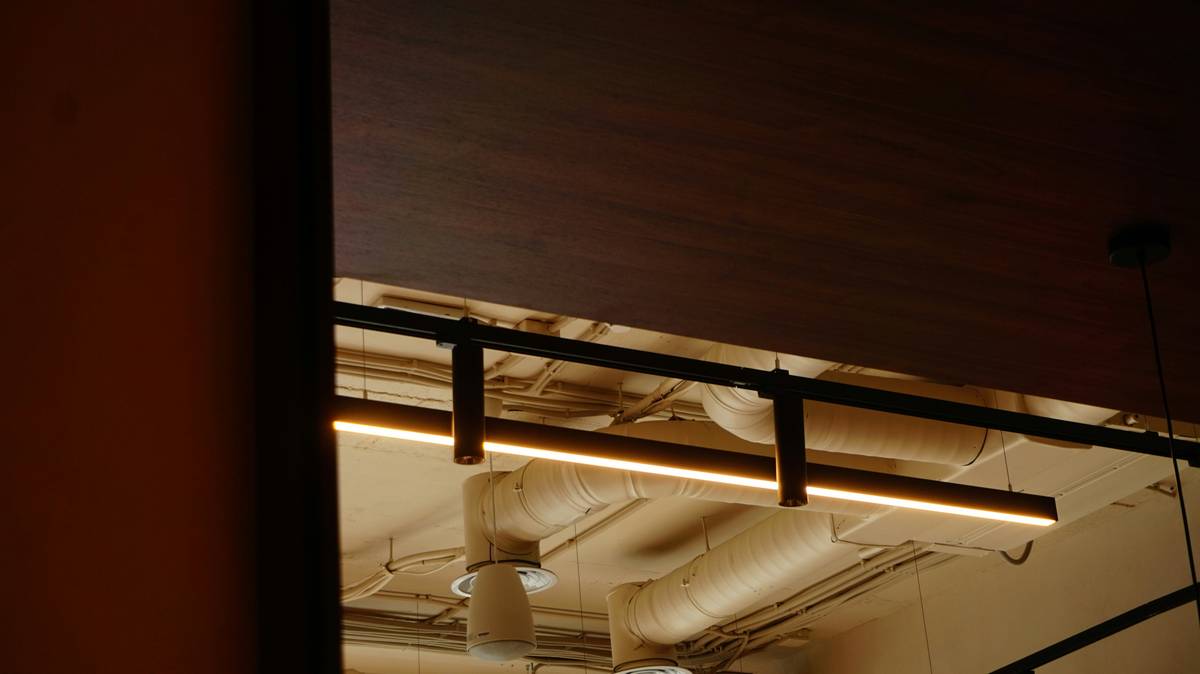
I once installed a sleek-looking track system in my guest bathroom without checking the existing electrical box. Big mistake. The fixture sagged within a week because the old box wasn’t rated for the weight. Lesson learned: always confirm your junction box supports at least 50 pounds for most residential track kits. It’s a painful (and potentially dangerous) oversight that ruins both aesthetics and safety.
Step-by-Step Guide to Installing Track Lighting
1. Assess Your Electrical Setup
Turn off power at the breaker. Remove the existing fixture and inspect the ceiling box. Ensure it’s securely mounted and labeled for fan or heavy-fixture support. If not, replace it with a fan-rated box—available at any hardware store.
2. Choose the Right Track Type
H-style (three-wire) tracks allow independent control of fixture groups; L/J-style (two-wire) are simpler but control all heads together. For kitchens or art walls, H-style gives superior flexibility. Check compatibility with dimmers if you plan mood lighting.
3. Mount the Track Securely
Anchor the track ends to joists whenever possible. If mounting between joists, use toggle bolts or structural brackets. Never rely solely on drywall anchors for long runs.
4. Install Fixtures and Test
Snap or screw compatible heads onto the track. Restore power and test each head. Adjust angles immediately to avoid glare or dark spots.
5 Best Practices for Flawless Track Lighting
- Avoid the “spotlight parade”: Don’t line up heads like soldiers. Stagger angles to create depth and dimension.
- Match color temperature: Use consistent Kelvin ratings (2700K–3000K for warm, 4000K for neutral). Mixing temps creates visual chaos.
- Respect beam spread: Narrow beams (15°–25°) for art; wider (40°+) for general task areas. The Illuminating Engineering Society provides detailed guidelines on beam selection.
- Go LED—but verify compatibility: Not all older tracks work with modern LEDs. Check manufacturer specs before buying bulbs.
- Don’t over-light: Three well-placed heads beat six poorly aimed ones. Less is often brighter in the right places.
Terrible tip alert: “Just buy the cheapest track kit online.” I tried this once for a rental property—and ended up replacing the entire system after three months due to flickering and loose connectors. Quality matters. Reputable brands like Juno, Halo, and Tech Lighting offer reliable performance and warranties. Always check UL listings for safety compliance.
Real-World Examples That Shine
A designer in Portland used adjustable light fixtures track lighting in a narrow hallway to eliminate the “tunnel effect.” By angling alternating heads toward opposite walls at 30°, they created balanced vertical illumination that made the space feel twice as wide. Energy use dropped by 22% compared to the previous overhead fluorescent setup, per their utility bill analysis.
Similarly, a small boutique in Austin replaced recessed cans with a low-voltage track system above display shelves. Sales of highlighted products increased by 18% within two months—likely because strategic lighting draws the eye and enhances perceived value, a principle documented in retail psychology studies cited by the Retail Design Blog.
Frequently Asked Questions
Can I install track lighting myself?
Yes—if you’re comfortable with basic electrical work. Always shut off power, verify box support, and follow local codes. If unsure, consult a licensed electrician. Safety first.
Are track lights outdated?
Not at all. Modern designs are sleek, minimalist, and integrate seamlessly with smart home systems. Outdatedness comes from poor placement, not the technology itself.
How many heads can I put on one track?
Depends on wattage and circuit capacity. Most residential tracks support 6–12 fixtures, but total load must stay under 80% of the circuit’s rating (e.g., max 1,440W on a 15A/120V circuit). Consult your track’s manual.
Can track lighting work on sloped ceilings?
Yes—many manufacturers offer adjustable end caps or flexible connectors for vaulted or angled surfaces. Just ensure mounting hardware accommodates the pitch.
Still stuck choosing between pendant clusters and linear tracks? We get it—it’s a design crossroads. At The Virtual Pew, we’ve helped hundreds navigate these decisions with real-world experience, not just theory. Got a tricky layout or wiring question? Reach out to our team—we love solving lighting puzzles. And yes, we take privacy seriously; see our full Privacy Policy for peace of mind.
Remember: Great lighting doesn’t shout. It whispers exactly where you need it to shine.