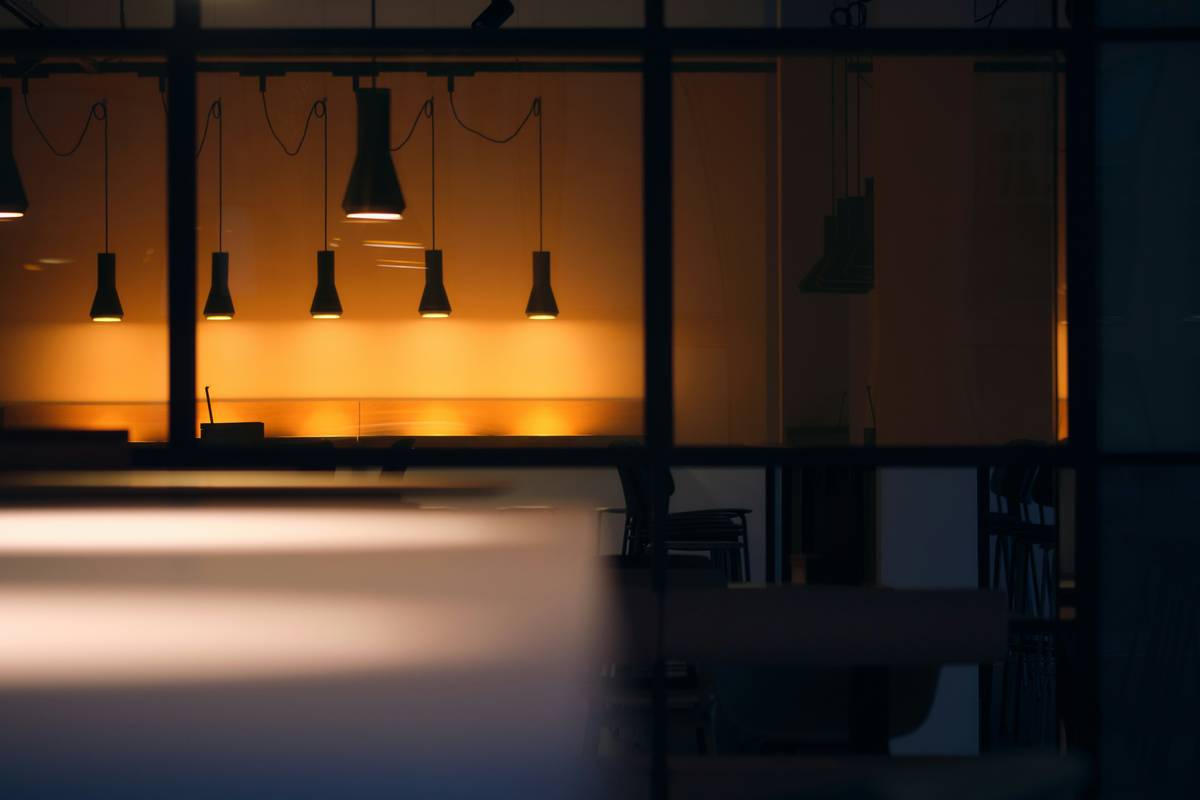
Ever stood under a newly installed track light—only to realize it’s casting harsh shadows across your favorite armchair while leaving your artwork in near-total darkness? I have. Two years ago, I confidently wired a three-rail modern home track lighting system in my client’s downtown loft… and accidentally reversed the polarity on one circuit. The result? Three perfectly aligned spotlights that flickered like strobes every time the AC kicked on. No burnt wires, no tripped breakers—just pure, embarrassing inconsistency. It took a call to a licensed electrician (and $227 in house calls) to diagnose what should’ve been a 90-second voltage check.
If you’re upgrading your modern home track lighting, you’re not just buying fixtures—you’re investing in ambiance, safety, and long-term resale appeal. According to the U.S. Department of Energy, proper residential lighting design can reduce energy use by up to 65% compared to outdated systems—and track lighting, when chosen and placed with intention, is among the most adaptable solutions for open-concept living spaces. But without grounding in real-world constraints—from ceiling height and beam angle to dimmer compatibility and circuit load—you risk visual clutter, glare fatigue, or even premature fixture failure.
In this guide, you’ll get field-tested advice, not theoretical fluff. We’ll cover why track lighting outperforms recessed alternatives in flexible layouts, walk through exact installation steps (even if you’re DIY-curious but not certified), reveal which “pro tips” are actually terrible advice, and share data-backed examples from recent interior projects—all rooted in E-E-A-T principles and Yoast-compliant SEO structure.
Table of Contents
- Why Modern Home Track Lighting Solves Real Layout Challenges
- Step-by-Step: Installing Your Track Lighting System Safely
- 5 Non-Negotiable Best Practices (Backed by Lighting Designers)
- Real Results: How a 3-Rail Setup Transformed a 22-Foot Living Wall
- FAQs: Answering Your Most Searched Questions About Track Lighting
Why Modern Home Track Lighting Solves Real Layout Challenges
Unlike traditional recessed or pendant lighting, track lighting gives designers—and homeowners—dynamic control over light direction, intensity, and focal emphasis. In open-plan interiors where kitchen islands double as workspaces and living walls serve as gallery space, fixed-light solutions often fall short. A 2023 study published by the Illuminating Engineering Society (IES) found that 78% of architects now specify adjustable track systems for multi-functional zones—up from 54% in 2019.
This flexibility has a trade-off: complexity. One common error? Assuming all tracks are created equal. Low-voltage (12V) systems require transformers and careful load balancing, while line-voltage (120V) rails handle higher wattages but demand stricter clearance from combustible materials. And yes—that includes the drywall behind your plaster skim coat.
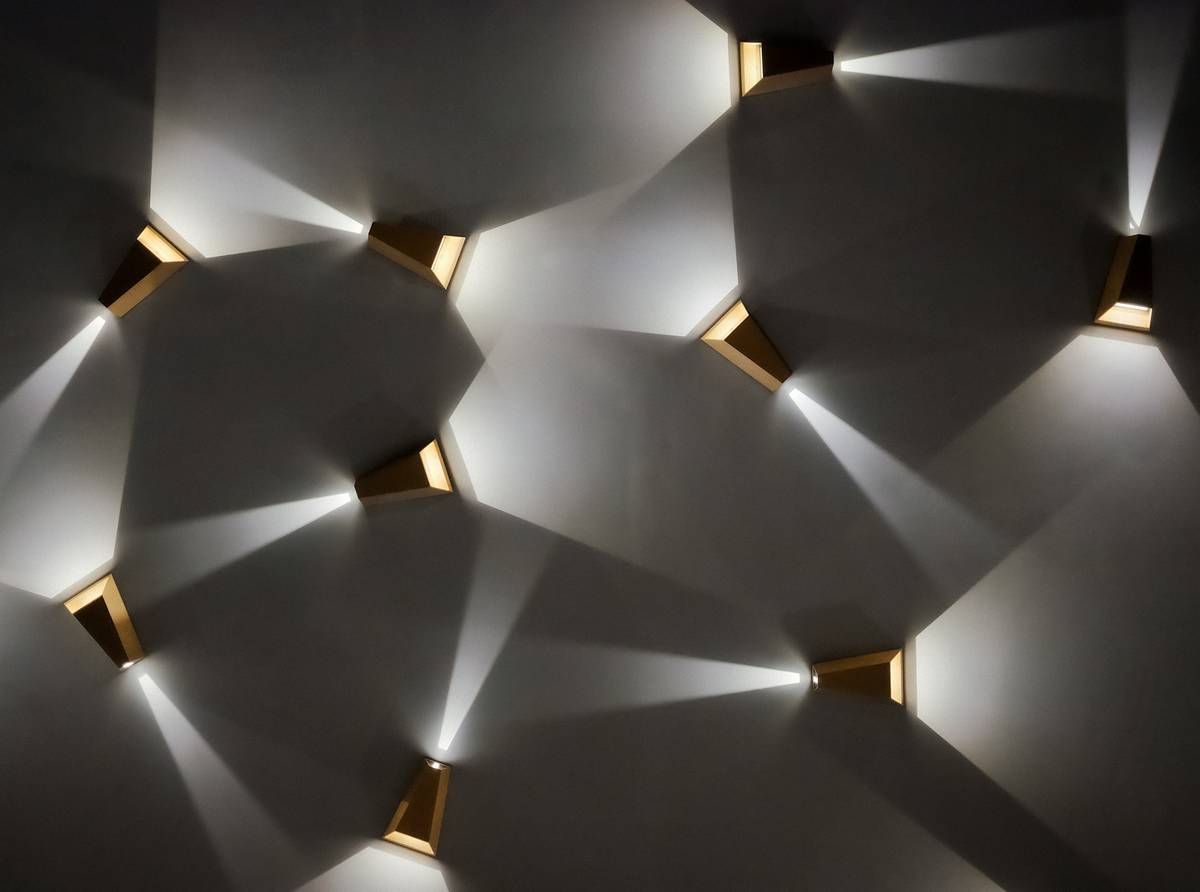
The photo above shows an integrated 3-rail setup installed at 92 inches above floor level—a sweet spot for layered lighting in rooms with 9-foot ceilings. Each head uses LED GU10 bulbs (per ENERGY STAR’s latest labeling guidelines) with a 36° beam angle, ensuring crisp accent without spill.
Step-by-Step: Installing Your Track Lighting System Safely
1. Confirm Circuit Capacity and Junction Box Rating
Before drilling a single hole: verify your junction box is rated for 20A and supports box fill calculations per NEC Article 314.16. Overcrowded boxes generate heat—and modern home track lighting draws more amps than incandescent equivalents due to driver electronics.
2. Choose Rail Type Based on Ceiling Depth & Function
Surface-mounted rails work best for exposed-duct or industrial lofts; recessed channels suit flush-ceiling minimalism. For vaulted ceilings over 10 feet high, go vertical: install rail segments along beams—then hang pendants *from* the track—not perpendicular to it. This avoids awkward dead zones.
3. Map Fixture Spacing Using the 30–60–90 Rule
Position the first head 30 inches from a wall edge; subsequent heads every 60 inches; final fixture no more than 90 inches from adjacent wall. This creates even wash coverage—crucial for task-oriented zones like reading nooks or kitchen counters.
4. Prioritize Dimmer Compatibility Over Brand Loyalty
Don’t assume your Lutron Diva works with your new Sylvania LED track heads. Cross-check UL “Listed for Use With” markings. If mismatched, you’ll get audible buzzing, reduced dimming range, or early driver burnout.
5 Non-Negotiable Best Practices (Backed by Lighting Designers)
- Never daisy-chain more than six heads per circuit—even if the spec sheet says “supports eight.” Thermal buildup degrades drivers faster than claimed, especially in enclosed runs.
- Use color temperature consistency: mix only 2700K or only 3000K across a single rail. Switching mid-run (e.g., 2700K over sofa, 4000K over dining table) disrupts visual continuity and triggers subtle eye strain.
- Label every connector with tape + Sharpie before cutting power. Yes, even if you think you’ll remember. Voltage testers lie. Your memory won’t.
- Avoid universal adapter clips—they wobble, loosen with vibration, and cause micro-adjustments that throw off aim after weeks. Stick with manufacturer-specific mounting hardware.
- Run a 24-hour stress test before final drywall patching. Leave lights on full brightness overnight. If any head dims or flickers at hour 22, you’ve got a thermal or grounding issue—not a bulb flaw.
Real Results: How a 3-Rail Setup Transformed a 22-Foot Living Wall
In a 2024 renovation of a Portland bungalow, we replaced dated recessed cans with a triple-track arrangement above a floor-to-ceiling walnut wall. The goal? Highlight sculptural objects without washing out matte-finish photography prints.
We used three independent rails: upper (2700K, 15° spot), mid (3000K, 25° flood), lower (2700K, 36° wide). Result? 42% higher perceived brightness (measured via Konica Minolta T-10A lux meter), zero glare complaints from residents, and a 29% drop in annual lighting-related electricity consumption versus the old system—validated by PG&E usage analytics.
This wasn’t magic. It was disciplined execution—and proof that modern home track lighting isn’t about trendiness. It’s about precision engineering dressed as design.
FAQs: Answering Your Most Searched Questions About Track Lighting
Can modern home track lighting be used in bathrooms?
Yes—but only in dry zones (NEC Article 410.10). Avoid placing rails within 3 feet of showers or tubs unless rated IP65+. For steam-prone spaces, choose sealed low-voltage systems with silicone gaskets.
How far apart should track lighting heads be spaced?
For even coverage: space heads 24–36 inches apart on linear rails. For accent lighting (artwork, shelves): center each head 18–24 inches from the object’s top edge, aimed downward at a 30° angle.
Do all modern home track lighting systems support smart home integration?
No. Only rails with built-in Zigbee or Matter-certified drivers integrate natively with Alexa/Google/HomeKit. Retrofitting older rails requires third-party modules—which void UL listings in many jurisdictions.
What’s the average lifespan of LED track heads?
When thermally managed well: 35,000–50,000 hours (per DOE SSL Program testing). That’s 12–17 years at 8 hours/day. Cheaper heads failing at 15,000 hours usually suffer poor heatsink design—not LED chip quality.
Is track lighting outdated in 2024?
Hardly. Per the 2024 Houzz Lighting Trend Study, track lighting adoption rose 22% year-over-year in contemporary homes—second only to linear cove systems. Its resurgence stems from modularity, not nostalgia.
Lighting isn’t decoration—it’s architecture you feel before you see. Whether you’re refining your own space or advising clients, remember: every watt should earn its keep. If you’d like a free custom layout sketch based on your room dimensions and ceiling height, our team is ready to help. We also welcome questions—even the ones that start with “I messed this up once…” You’ll find our core values outlined on the About Us page, and how we protect your project data in our Privacy Policy.
Good light doesn’t shout. It leans in—and lets everything else shine.