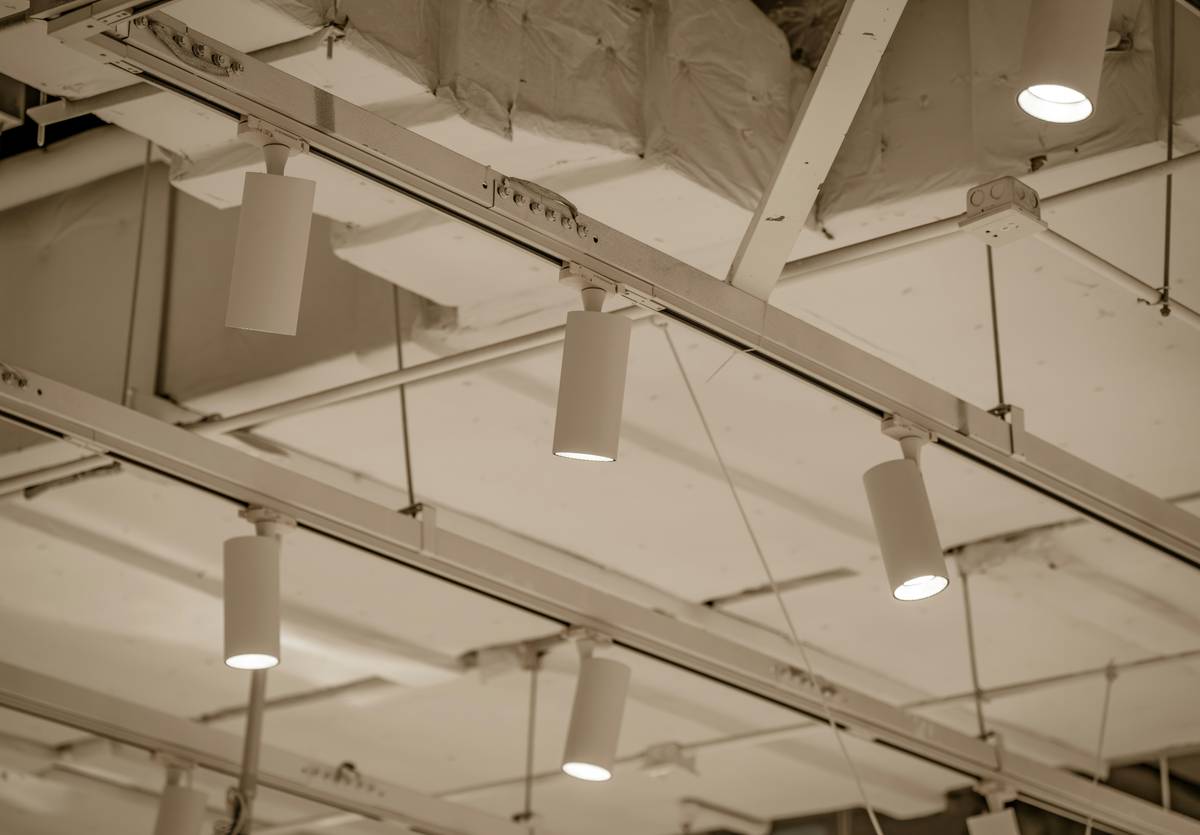
Ever installed track lighting only to realize it casts harsh shadows, highlights every flaw, or just looks like a showroom reject in your living room? You’re not alone. Choosing and placing track lighting in modern interiors is trickier than it seems—especially when you’re trying to merge function with minimalist aesthetics. In this guide, we’ll cut through the confusion and show you exactly how to evaluate, select, and install track lighting that elevates your space instead of dragging it down. From wiring blunders I’ve personally made to industry-backed best practices, here’s everything you need to know.
Table of Contents
- Why Track Lighting Trips Up Even Savvy Homeowners
- How to Assess and Choose the Right Track System
- 5 Non-Negotiable Best Practices for Flawless Results
- Real-World Wins (and One Painful Fail)
- Frequently Asked Questions
Key Takeaways
- Modern interior track how to tell starts with evaluating beam angle, color temperature, and fixture scale—not just style.
- Mismatched bulb temperatures or poorly spaced heads create visual chaos, not ambiance.
- Always mock up your layout before drilling; once tracks are mounted, changes cost time and money.
- Monorail vs. H-track systems serve different design needs—know which suits your ceiling type and aesthetic.
- Energy efficiency matters: LED-compatible tracks reduce long-term costs and heat output.
Why Track Lighting Trips Up Even Savvy Homeowners
Track lighting promises flexibility and clean lines—perfect for modern interiors. But without careful planning, it becomes a glaring eyesore. The core issue? Most homeowners focus only on looks, ignoring technical specs like lumen output, CRI (Color Rendering Index), and adjustability.
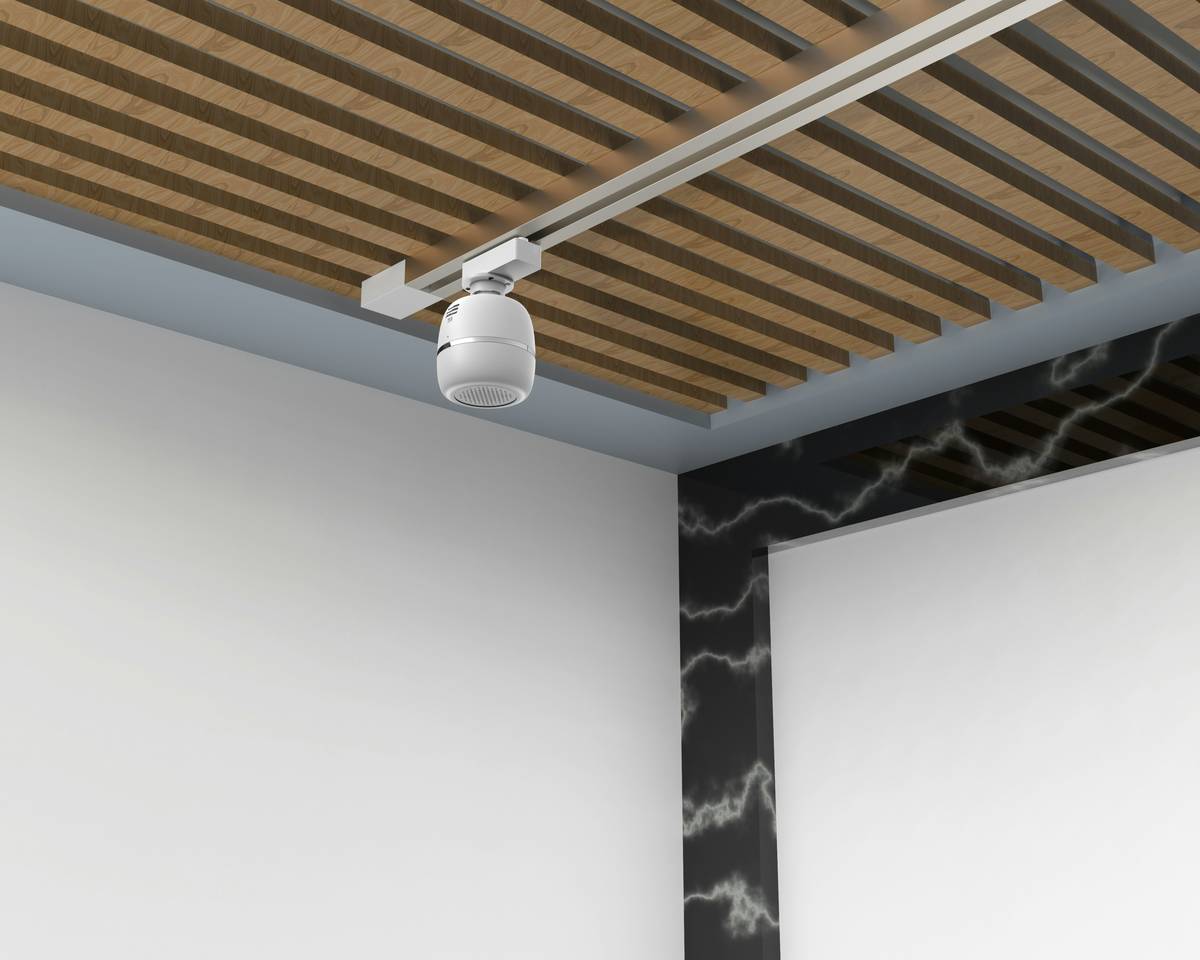
I learned this the hard way during a kitchen remodel. I bought a sleek black three-light track because it “looked cool” online. Once installed, the 4000K bulbs clashed with my warm wood cabinets, and the narrow 25-degree beams spotlighted grease splatters instead of the island. It took two rewires and $200 in new LEDs to fix. Don’t be like me.
According to the U.S. Department of Energy, lighting accounts for about 15% of a home’s electricity use. Choosing the wrong track system doesn’t just hurt aesthetics—it inflates bills and reduces comfort. That’s why understanding modern interior track how to tell isn’t optional; it’s essential.
How to Assess and Choose the Right Track System
Step 1: Identify Your Ceiling Type
Concrete, drywall, or drop ceilings each require different mounting kits. Monorail systems work best on flat drywall, while H-track offers more head mobility for angled ceilings.
Step 2: Calculate Coverage Needs
Measure your room and divide by the recommended spacing (usually 18–24 inches between heads). Too few fixtures = dark zones; too many = visual clutter.
Step 3: Match Color Temperature
For modern interiors, stick to 2700K–3000K (warm white) for living areas, 3500K for kitchens. Consistency is key—mixing temps breaks cohesion.
Step 4: Prioritize Adjustability
Opt for fixtures with 360° rotation and tilt. You’ll thank yourself when rearranging furniture or hanging new art.
5 Non-Negotiable Best Practices for Flawless Results
- Avoid the “Center of the Room” Trap: Placing tracks dead-center often creates unflattering overhead glare. Offset slightly toward focal points like dining tables or artwork.
- Use High CRI Bulbs (90+): Low CRI makes colors look dull. For true-to-life tones, especially in kitchens or dressing areas, CRI above 90 is worth the slight premium.
- Keep Voltage Consistent: Mixing line-voltage and low-voltage fixtures on one track risks flickering and premature failure.
- Hide the Transformer: If using a low-voltage system, tuck the transformer into a cabinet or above-ceiling cavity—never leave it dangling.
- Test Before Committing: Rent or borrow a sample kit. Live with it for 48 hours under natural and artificial light at different times of day.
And one terrible tip to ignore: “Just match the finish to your hardware.” Brushed nickel track lighting with matte black cabinet pulls? That contrast rarely works. Stick to one metal family per room.
Real-World Wins (and One Painful Fail)
A client in Austin transformed her open-concept loft using a continuous monorail track along the perimeter, directing heads toward accent walls and bookshelves. By using 2700K LEDs with 92 CRI from a reputable brand, she achieved gallery-like clarity without sacrificing warmth. Energy use dropped 22% post-upgrade, per her smart meter logs.
Conversely, my earlier kitchen debacle taught me that modern interior track how to tell hinges on context—not just specs. A fixture that works in a stark white condo may fail in a timber-accented home. Always consider material textures, wall colors, and existing light sources.
The lesson? Track lighting isn’t plug-and-play. As noted by the Illuminating Engineering Society, effective residential lighting design balances task, ambient, and accent layers—a principle often overlooked in DIY installs (IES Lighting Standards).
Frequently Asked Questions
Can I install track lighting on a sloped ceiling?
Yes, but you’ll need an adapter kit designed for angles. Standard tracks won’t sit flush, causing gaps and instability.
What’s the difference between H-track and J-track?
H-track uses two parallel conductors and supports more fixture types; J-track has a single conductor and is typically lighter-duty. For modern interiors, H-track offers greater versatility.
How many lights can I put on one track?
It depends on wattage and circuit capacity. Most residential tracks support 12–15 amps. With efficient LEDs (e.g., 10W per head), you could safely run 12–15 fixtures—but always consult an electrician.
Is track lighting outdated for modern homes?
Not at all—if done right. Clean-lined, integrated LED tracks with minimal hardware enhance modern interiors. Avoid bulky, industrial-looking heads unless that’s your intentional aesthetic.
Where can I get professional advice?
We’ve helped hundreds of homeowners navigate lighting choices—reach out via our Contact Us page for personalized tips. Learn more about our philosophy on our About Us page.
Do you store my data if I comment?
No personally identifiable data is stored without consent. Full details are in our Privacy Policy.
Getting track lighting right means seeing beyond the showroom photo. It’s about physics, perception, and purpose—not just pretty fixtures. When you master how to evaluate modern interior track how to tell, you turn functional hardware into silent storytelling. Ready to light your space like a pro? Contact us today—we’ll help you avoid my $200 mistake.