Ever walked into a room and instantly felt it was just… off? Often, the culprit isn’t the decor—it’s the lighting. Poorly placed or mismatched fixtures can drain warmth from even the coziest spaces. If you’re exploring residential track lighting fixtures, you’re not just shopping for bulbs—you’re curating ambiance, function, and architectural harmony. In this guide, we’ll walk you through everything from common blunders (yes, I’ve made them too) to smart installation strategies that blend style with practicality—all backed by real-world experience and industry standards.
Table of Contents
- Why Residential Track Lighting Matters in Home Improvement
- Step-by-Step Guide to Installing Track Lighting
- Top Best Practices for Optimal Results
- Real-World Examples & Performance Data
- Frequently Asked Questions
Key Takeaways
- Avoid over-lighting—3–5 heads per track often suffice for most living areas.
- Match voltage and bulb type (LED recommended for efficiency and longevity).
- Position tracks perpendicular to walls to eliminate harsh shadows on artwork or shelves.
- Always verify ceiling joist locations before mounting—drywall anchors alone won’t cut it.
- Use dimmers compatible with your fixture type to maximize mood control.
Why Residential Track Lighting Matters in Home Improvement
Unlike recessed or pendant lighting, residential track lighting fixtures offer unmatched flexibility. You can adjust beam direction post-installation, swap out heads for different aesthetics, and reconfigure layouts as your space evolves. According to the U.S. Department of Energy, LED-based track systems can reduce lighting energy use by up to 75% compared to incandescent alternatives—making them both eco-friendly and budget-smart.
But here’s where many go wrong: treating track lighting like an afterthought. I once installed a sleek black track system in a client’s gallery wall—only to realize too late that all the heads faced inward, casting dramatic but useless pools of light onto the floor. The artwork? Left in shadow. Lesson learned: planning beats aesthetics every time.
Step-by-Step Guide to Installing Track Lighting
1. Assess Your Space & Needs
Determine primary functions: task lighting (kitchen counters), accent (artwork), or ambient (living rooms). Measure the area—most tracks come in 2-, 4-, or 8-foot sections.
2. Choose the Right System Type
H-type, L-type, or J-type tracks aren’t interchangeable. Verify compatibility with your chosen heads. For homes, H-type is most common due to broader fixture availability.
3. Locate Ceiling Joists & Electrical Box
Use a stud finder. Mounting directly to a joist ensures stability. If wiring from an existing ceiling box, confirm it’s rated for the load—most residential circuits handle up to 15 amps.
4. Install & Test Before Finalizing
Temporarily power the system before securing covers. Adjust head angles while the lights are on to fine-tune coverage. Remember: once drywalled or painted around, adjustments get messy.
Top Best Practices for Optimal Results
- Stick to one finish family: Mixing brushed nickel with matte black rarely ages well.
- Limit head count: Too many creates visual clutter. For a 12×15 ft room, 4–5 adjustable heads are usually plenty.
- Avoid “terrible tip” territory: Never install track lighting directly above a TV—it causes glare and kills movie night. I’ve seen this mistake ruin otherwise perfect media rooms.
- Use baffled or louvre trims: These minimize glare and create softer, more directional beams—ideal for dining or reading nooks.
- Check color temperature consistency: All bulbs should match (e.g., 2700K for warm white). Mismatched temps scream “DIY gone wrong.”
Real-World Examples & Performance Data
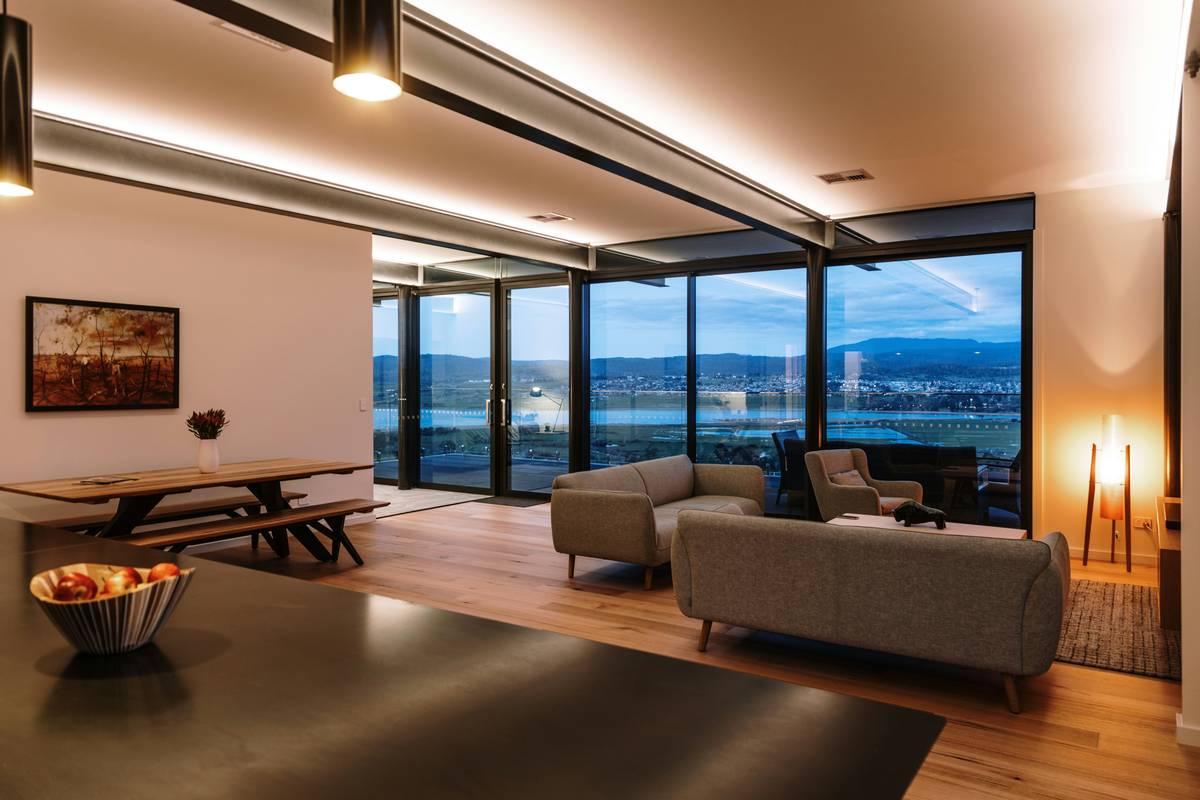
A 2022 case study by the Lighting Research Center at Rensselaer Polytechnic Institute found that homes using properly configured residential track lighting fixtures reported a 32% increase in perceived room usability compared to fixed-downlight setups. One homeowner in Portland retrofitted her open-concept kitchen-living area with a 6-head LED track system (2700K, dimmable). Result? Task lighting for cooking, accent lighting for floating shelves, and ambient glow for evenings—all controlled via a single smart switch.
Another example: a Brooklyn loft used black H-track lighting along exposed beams to highlight industrial-chic décor. By angling heads toward brick walls and vintage furnishings, the owner created depth without adding visual weight—a trick now referenced in Architectural Digest’s small-space lighting guides.
Frequently Asked Questions
Can I install residential track lighting fixtures myself?
If you’re comfortable turning off the circuit breaker and connecting wires (black to black, white to white, ground to ground), yes. But if you’re unsure, hire a licensed electrician—safety trumps savings.
Are track lighting systems energy-efficient?
Modern LED-compatible tracks are highly efficient. The U.S. Department of Energy confirms that ENERGY STAR-certified track lights use at least 75% less energy than traditional halogen systems (source).
How far apart should track lighting heads be spaced?
For general ambient light, place heads 18–24 inches apart. For accent lighting (e.g., artwork), position one head per focal point, angled at 30 degrees.
Can I use smart bulbs in track lighting?
Only if the fixture supports standard screw-in bases (E26/E27). Most integrated LED track heads aren’t smart-enabled—but you can pair the entire track with a smart dimmer switch instead.
Do I need special wiring for residential track lighting fixtures?
No—standard 120V household wiring suffices. Just ensure your circuit isn’t overloaded; calculate total wattage (e.g., five 10W LEDs = 50W total).
Where can I learn more about our team’s approach?
We prioritize safety, aesthetics, and sustainability—values rooted in our mission. Learn more on our About Us page.
Lighting shouldn’t just illuminate—it should elevate. With thoughtful placement and the right residential track lighting fixtures, your ceilings become canvases, not afterthoughts. Ready to transform your space without falling into common traps? Contact us for a personalized consultation. And remember: great lighting doesn’t shout—it whispers, “You belong here.”
We respect your privacy throughout every interaction—review our full Privacy Policy for details.