Ever installed track lighting only to realize it casts harsh shadows, looks outdated, or—worst of all—draws attention to your ceiling’s imperfections? You’re not alone. I once mounted a sleek, modern track system in my own kitchen, only to discover the bulbs emitted a cold, clinical glare that made my espresso bar look like a dentist’s waiting room. That expensive “upgrade” stayed unused for months. If you’re considering decorative track lighting systems for your modern interior, you need more than just good taste—you need strategy. In this guide, we’ll walk through everything from planning and placement to bulb selection and style integration, so your lighting enhances your space instead of undermining it.
Table of Contents
- Why Track Lighting Matters in Modern Interiors
- Step-by-Step Installation Guide
- Best Practices for Stunning Results
- Real-World Examples That Work
- Frequently Asked Questions
Key Takeaways
- Track lighting offers unmatched flexibility for highlighting art, task zones, or architectural details.
- Poor spacing or wrong bulb temperature can ruin aesthetics and functionality.
- Always plan your layout before mounting—measure twice, cut once.
- Modern systems now support smart controls, dimming, and energy-efficient LEDs.
- Avoid the “airport terminal” look by mixing beam angles and using decorative heads.
Why Track Lighting Matters in Modern Interiors
In home improvement, few upgrades deliver as much visual impact per dollar as well-executed track lighting. Unlike recessed cans or single pendants, decorative track lighting systems let you dynamically redirect light without rewiring. This adaptability makes them ideal for modern interiors, where open floor plans demand layered, functional illumination.
According to the U.S. Department of Energy, LED track lights use at least 75% less energy than incandescent options—a major win for both sustainability and utility bills. Yet despite these benefits, many DIYers treat track lighting as an afterthought, leading to uneven coverage or harsh glare. The truth? Great track lighting isn’t just about hardware—it’s about intentionality.
Step-by-Step Installation Guide
1. Map Your Lighting Zones
Identify areas needing accent (artwork), task (kitchen counters), or ambient light. Use painter’s tape on the ceiling to mock up your track path before drilling.
2. Choose the Right Track Type
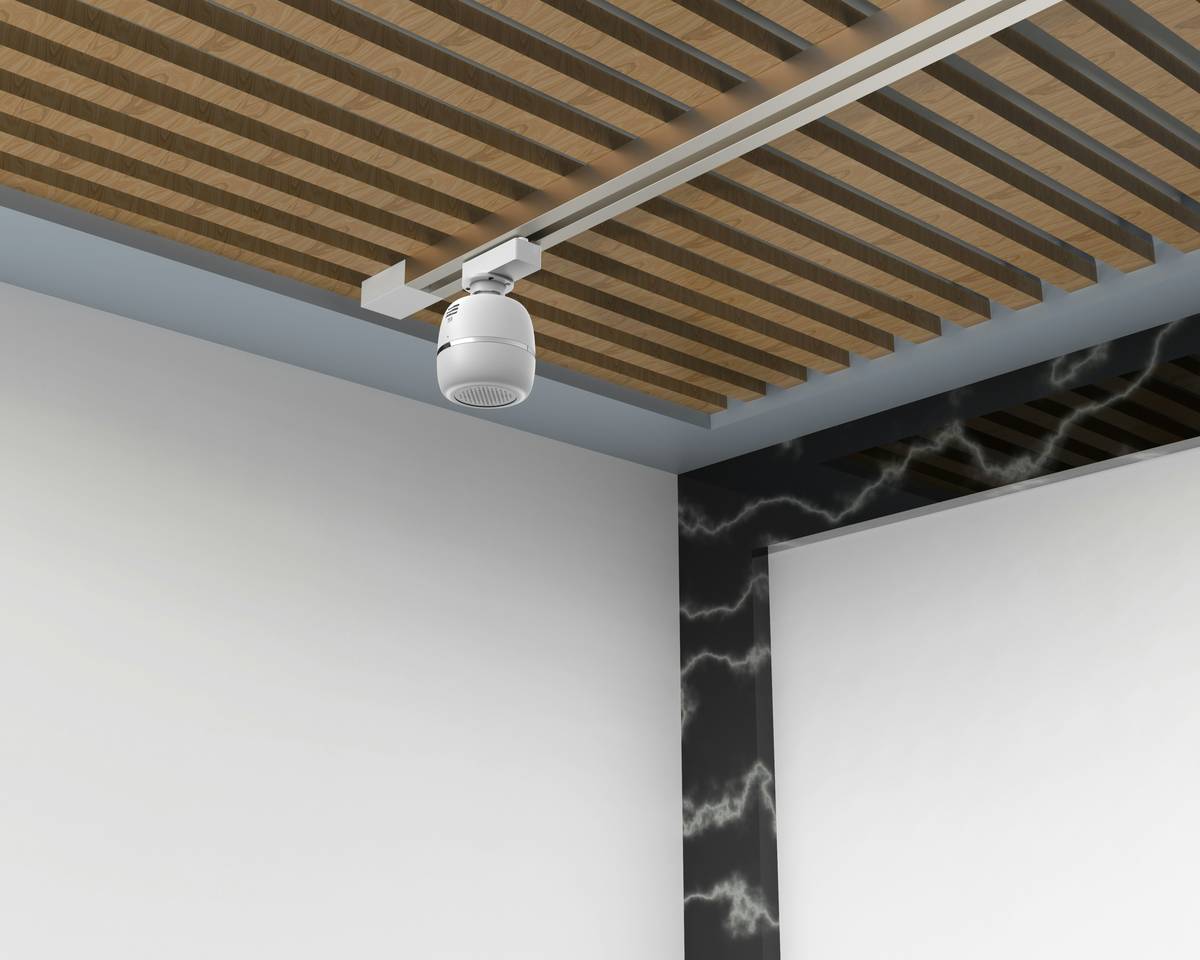
H-style tracks allow independent circuits for zoning; L/J tracks are simpler but less flexible. For most homes, a single-circuit H-track with dimmable LED heads strikes the best balance.
3. Calculate Fixture Spacing
As a rule, place heads every 24–36 inches for even wash lighting. For accenting objects, angle fixtures at 30 degrees from vertical to minimize glare—this is called the “30-degree rule” in professional lighting design (Lighting Fundamentals, LightSearch.com).
4. Wire Safely
Turn off power at the breaker. Connect the live wire to the track’s feed connector. If uncertain, consult a licensed electrician—safety trumps savings.
Best Practices for Stunning Results
- Use 2700K–3000K color temperature for warm, inviting light in living spaces.
- Mix beam angles: narrow spots (15°–25°) for art, wider floods (40°+) for general wash.
- Avoid black tracks in bright rooms—they create visual weight unless intentionally contrasted.
- Integrate smart dimmers via systems like Philips Hue or Lutron for mood control.
- Terrific tip (that’s actually terrible): “Just line up the heads evenly!” Nope—rigid symmetry kills dynamism. Offset heads slightly to create rhythm, not repetition.
Real-World Examples That Work
A Brooklyn loft renovation used matte-black decorative track lighting systems to spotlight rotating gallery walls while providing soft ambient glow over a dining table. By installing three independently controlled zones on one H-track, the homeowners switch between “dinner party,” “movie night,” and “art viewing” modes—all from a smartphone.
In another case, a Portland kitchen retrofit replaced bulky fluorescent strips with low-profile white track heads. Energy use dropped by 62% annually, per their utility monitor, and the cook finally stopped squinting at recipe cards. These aren’t just aesthetic wins—they’re functional transformations powered by thoughtful lighting choices.
Frequently Asked Questions
Can I install track lighting on a sloped ceiling?
Yes—with special sloped-ceiling adapters. Most major brands (like Juno or Lithonia) offer compatible mounting kits. Just ensure your track heads can pivot sufficiently to aim downward.
Are decorative track lighting systems compatible with smart home systems?
Many modern LED track heads work with Zigbee, Z-Wave, or Wi-Fi ecosystems. Look for bulbs labeled “dimmable” and “smart-compatible.” Always check compatibility with your hub (e.g., SmartThings, Alexa) before buying.
How do I clean track lighting without damaging it?
Turn off power, then wipe tracks and heads with a microfiber cloth dampened with mild soapy water. Never spray liquid directly onto fixtures—moisture can corrode electrical contacts.
What’s the biggest mistake people make with track lighting?
Overlighting. More heads ≠ better light. Start with fewer fixtures and add only if needed. Cluttered tracks look chaotic, not curated.
Do I need an electrician to install track lighting?
If you’re replacing an existing ceiling fixture with the same junction box, a confident DIYer can handle it. But new circuits or complex multi-zone setups warrant a pro—especially since improper wiring risks fire. When in doubt, reach out to our team via our Contact Us page.
Where can I learn more about lighting standards?
The Illuminating Engineering Society (IES) publishes authoritative guidelines on residential lighting design. Their free resources help homeowners understand metrics like lumens, CRI, and beam spread (ies.org/standards).
Done right, decorative track lighting systems don’t just illuminate—they elevate. They turn blank walls into galleries, kitchens into stages, and hallways into experiences. But remember: light is architecture you can switch on and off. Treat it with the same care as your flooring or furniture. Ready to transform your space without trial, error, and wasted cash? We’ve helped hundreds of homeowners nail their lighting game—learn more about our philosophy on our About Us page, and when you’re set to start, contact us for a personalized consultation. And yes, we promise never to suggest fluorescent tubes again.
Final thought: Light reveals. Choose what you want seen.