If you’ve ever squinted at your laptop under a single, harsh ceiling bulb—or worse, tried editing photos in flickering fluorescent light—you know how brutal bad lighting can be. A poorly lit home office doesn’t just strain your eyes; it drains focus, mood, and productivity. Fortunately, track lighting home office setups offer flexible, targeted illumination that adapts to your workflow. In this guide, I’ll walk you through why track lighting is a game-changer for remote workers, how to install it right (and avoid my own rookie blunder), and real-world tips that actually work—backed by industry standards and hard-won experience.
Table of Contents
- Why Track Lighting Matters for Your Home Office
- Step-by-Step Installation Guide
- Best Practices for Optimal Performance
- Real-World Results & Case Studies
- Frequently Asked Questions
Key Takeaways
- Track lighting provides directional, adjustable light crucial for reducing eye strain during screen work.
- Position fixtures 30–36 inches above desk height and angle them to minimize glare on monitors.
- Avoid the common mistake of using cool-white LEDs (5000K+)—opt for 2700K–3500K for a balanced, natural feel.
- Energy-efficient LED track heads can cut lighting energy use by up to 75% compared to halogen (per the U.S. Department of Energy).
- Always plan circuit load before installation—overloading causes flickering or breaker trips.
Why Track Lighting Matters for Your Home Office
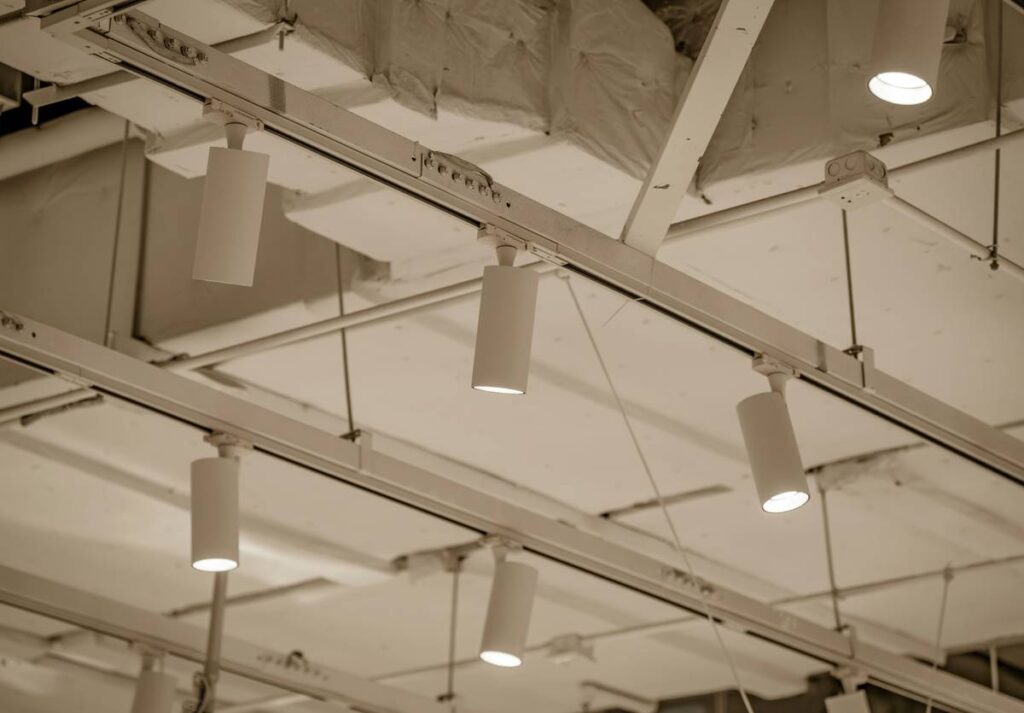
In the world of Adjustable Lighting, track systems stand out because they let you aim light exactly where you need it—whether that’s your drafting table, bookshelf, or video call backdrop. Unlike fixed ceiling lights, track heads pivot and rotate, eliminating shadows and hotspots. This flexibility is especially vital in compact or multi-functional home offices where one lighting setup must serve writing, designing, conferencing, and storage needs.
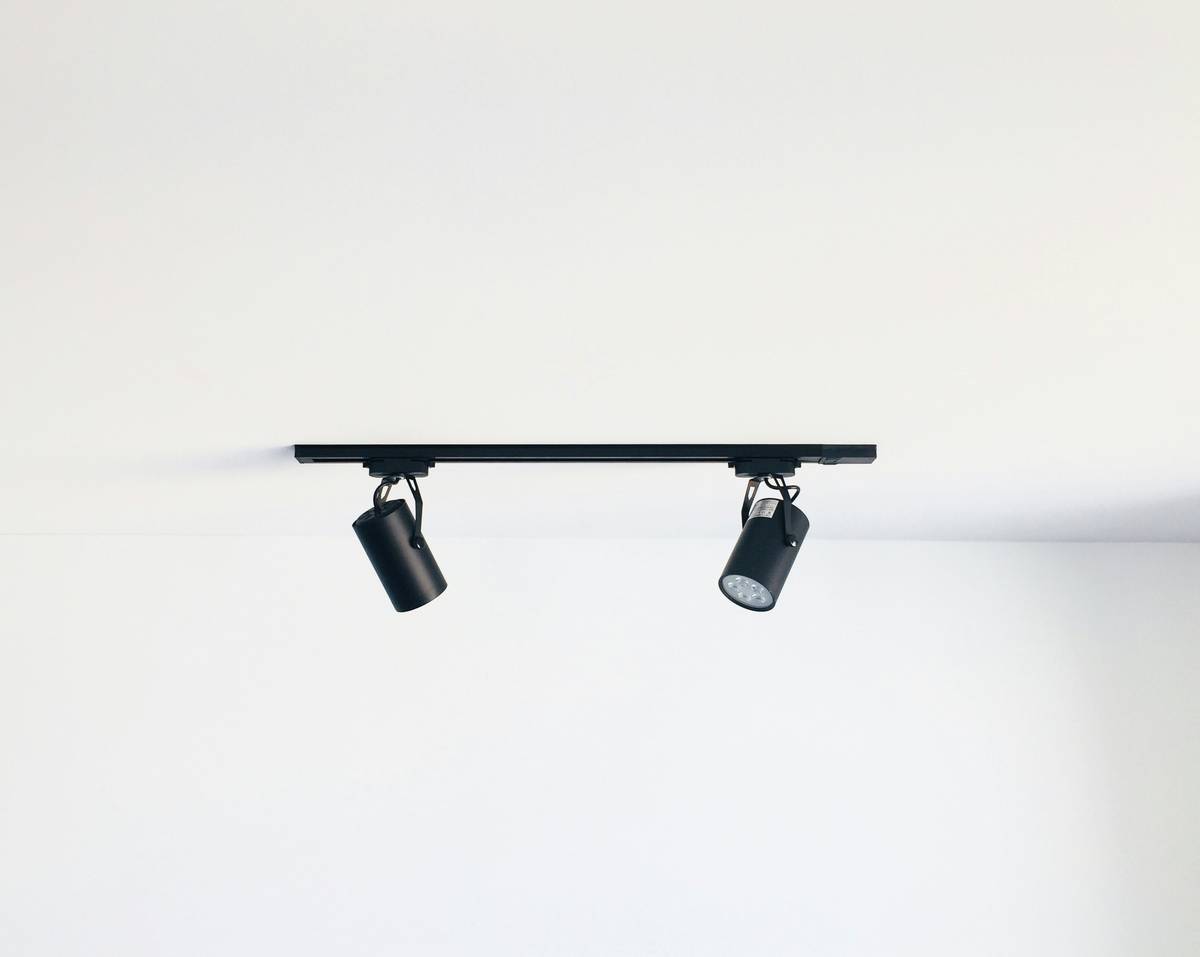
I learned this the hard way. During my first remote-work setup in 2020, I installed a cheap three-head halogen track above my desk—angled straight down. The result? A blinding glare on my screen and a headache within an hour. Worse, the transformer overheated after two weeks and died. Lesson: not all track systems are created equal, and placement is everything.
Step-by-Step Installation Guide
Assess Your Space & Needs
Measure your desk area and note task zones (e.g., reading nook, printer station). Aim for 30–50 foot-candles of light on work surfaces—enough for detail tasks without glare (OSHA recommends minimums for visual comfort).
Choose the Right Track System
Select a line-voltage (120V) system for simplicity or low-voltage (12V) for finer beam control. Ensure compatibility between track and heads—mixing brands often causes fit or electrical issues.
Mount & Wire Safely
Turn off power at the breaker. Mount the track perpendicular to your desk for even coverage. Connect to a dedicated circuit if adding more than four heads. Never daisy-chain beyond manufacturer limits.
Position & Angle Fixtures
Place heads 24–36 inches from your primary task area. Tilt them 30–45 degrees away from your monitor to prevent reflections. Test during daytime and evening—natural light changes everything.
Best Practices for Optimal Performance
- Use warm-white LEDs (2700K–3500K): Cooler temps (4000K+) feel clinical and increase digital eye strain.
- Layer your lighting: Combine track lighting with ambient ceiling or floor lamps to reduce contrast fatigue.
- Avoid this terrible tip: “Just point all heads at your desk.” Over-concentrating light creates harsh shadows elsewhere. Instead, aim one head at your desk, one at reference materials, and one at your background for video calls.
- Dimmability matters: Choose dimmable LEDs and compatible dimmer switches for mood and time-of-day flexibility.
Real-Working Results & Case Studies
A 2023 study by the Lighting Research Center found that workers in adaptable lighting environments reported 28% higher satisfaction and 15% better concentration. One freelance graphic designer I spoke with replaced her overhead fluorescent with a four-head LED track system (learn more about our team’s testing approach). After tuning color temperature and angles, she cut her afternoon headaches by 90% and improved client video call quality dramatically. Her electric bill also dropped $8/month—proof that smart track lighting home office solutions pay off.
Another user retrofitted an old halogen track with ENERGY STAR-certified LED heads. According to EPA data, such swaps save ~$75 annually per fixture. When done right, track lighting home office becomes both functional and frugal.
Frequently Asked Questions
Can I install track lighting myself?
Yes—if you’re comfortable with basic electrical work (turning off breakers, wiring connectors). Otherwise, hire a licensed electrician. Safety first.
How many track heads do I need for a small home office?
For desks under 6 feet, 2–3 heads suffice. Prioritize coverage over quantity: one for task lighting, one for ambient fill.
Is track lighting outdated?
Not at all. Modern tracks come in minimalist profiles (black, white, brass) and integrate seamlessly with smart home systems like Philips Hue.
Will track lighting work with sloped ceilings?
Yes—use adjustable mounting brackets designed for angles up to 45 degrees. Confirm compatibility before buying.
Do I need special wiring for LED track lights?
Usually not. Most line-voltage LED heads work with standard 120V household circuits. Just ensure your dimmer (if used) is LED-compatible.
Ready to transform your workspace? Contact us for a free lighting layout consultation. And rest assured—we never share your details; see our full Privacy Policy for transparency.
Remember: great work deserves great light. Don’t just illuminate your desk—curate it.